Voyager Technologies Opens Long Beach Aerospace Facility
Voyager Technologies secured a 140,000-sq-ft Long Beach facility to develop space defense tech, propulsion systems, and LEO infrastructure by end of 2026.
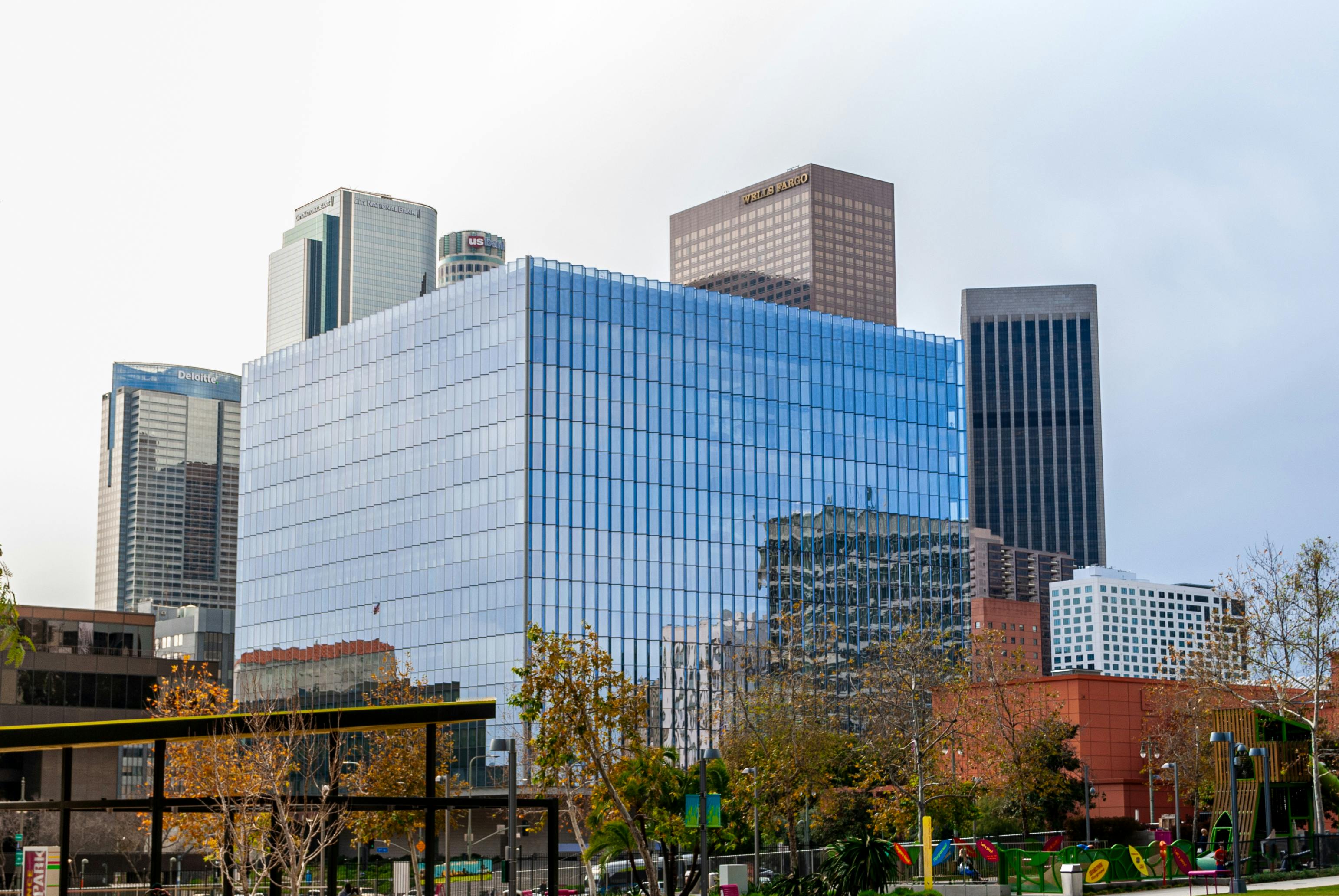
Voyager Technologies Inc. secured a 140,000-square-foot facility in Long Beach last month, adding another address to a Southern California aerospace corridor that has been quietly absorbing significant defense and space investment over the past several years.
The Denver-based company, founded in 2019 by Dylan Taylor and Matthew Kuta, develops space defense technologies and infrastructure. Its most visible project is Starlab, a commercial space station built in partnership with Airbus that is competing to replace the International Space Station as NASA prepares to retire the aging platform. The new Long Beach facility, previously operated by SpinLaunch Inc., will focus on electronics and mission hardware, Low Earth Orbit infrastructure, propulsion systems, and defense applications. Voyager expects the site to be fully operational by the end of 2026.
For Voyager, the move is as much about proximity as it is about square footage. Matt Magaña, the company’s president of defense and national security, pointed to Long Beach’s historical aerospace roots, its access to talent, and its growing concentration of space defense companies as key factors in the decision.
“It’s really still a mecca of innovation and growth, lots of diversity,” Magaña said. “For us, it was just a perfect marriage of trying to be where some of our partners are and where some of the modern defense companies have been setting up. The focus of this facility is really going to be AI and innovation.”
Those partners include Anduril Industries Inc. and True Anomaly, both of which have established operations in the South Bay. The area’s appeal also ties directly to geography. The Space Force base in El Segundo sits a short drive up the 405, and the region has hosted major aerospace contractors since World War II, including Lockheed Martin and Boeing.
The Long Beach facility is Voyager’s fifth California location, joining existing properties in El Segundo, San Diego, and Sacramento. The company’s footprint in the state is expanding alongside its financials.
Voyager’s 2025 annual earnings report, released in March, showed fourth-quarter net sales of $46.7 million, driven by a 63% jump in its defense and national security segment. Full-year net sales climbed 15% to $166.4 million. Year-end backlog hit a record $265.6 million, up 33% from the prior year. The company also completed its IPO last year, acquired five companies, and closed 2025 with liquidity exceeding $700 million.
“2025 was a transformational year for Voyager,” Taylor said in the earnings statement. “We successfully completed our IPO, delivered record fourth quarter revenue, and closed the year with record backlog and liquidity over $700 million. Demand across defense, national security and space continues to accelerate and we are investing to address that increasing demand.”
That investment now includes a new contract with Icarus Robotics Corp. to test Joyride, the company’s free-flying robotic platform, aboard the International Space Station.
Long Beach has been actively cultivating this identity. City officials and local boosters have taken to calling it “Space Beach,” a nod to the cluster of aerospace and space defense companies that have planted flags there in recent years. True Anomaly expanded into the city early last year. Anduril has a significant presence nearby. The underlying logic is consistent: talent, legacy infrastructure, and proximity to federal defense installations make the South Bay a rational choice for companies that need to work close to both the Pentagon’s contractor ecosystem and California’s engineering universities.
Voyager’s arrival fits that pattern. The company is not chasing a trend so much as following its own supply chain. With partners and competitors already operating within a few miles of the new facility, the Long Beach address reduces friction and shortens supply chains for a company that is clearly in growth mode.
Whether Burbank’s own Media District ever develops a comparable gravity pull for aerospace adjacent tech firms is a separate question. For now, the action is concentrated along the coast, and Voyager has positioned itself near the center of it.