Burbank Resident Warns BRT Could Threaten City's Future
A Burbank resident warns that proposed Bus Rapid Transit could reshape the city's character and override local governance through transit-oriented development.
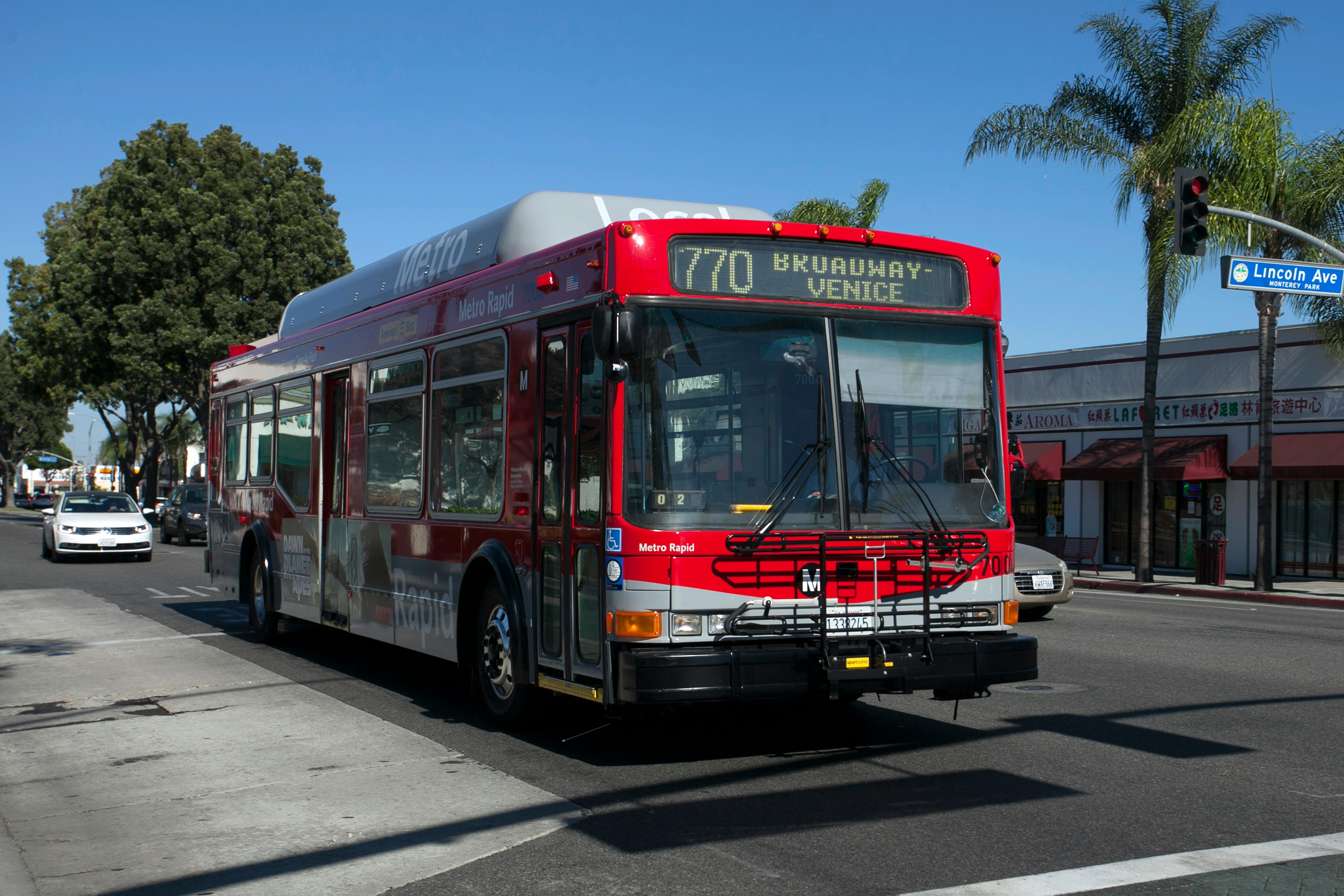
A Burbank resident is raising alarms about the proposed Bus Rapid Transit corridor through the city, arguing that the project represents not just a transportation change but an existential threat to Burbank’s character and local governance.
Richard B. Cathcart submitted a letter to the editor this week, citing remarks made by public commenter Mary O’Hare at the March 10 Burbank City Council meeting. O’Hare, described by Cathcart as a “wise public policy commentator,” reportedly showed video of a Metro Board and Glendale City Council member stating that Burbank’s segment of the BRT line is, in effect, a done deal. According to Cathcart’s account of that footage, the official indicated that residents of Burbank, Glendale, and Pasadena will need to adapt to BRT’s presence before the 2028 deadline, not debate it.
That framing, the idea that community input has become a formality rather than a factor, is at the center of Cathcart’s concern.
He connects the BRT push directly to Senate Bill 79, state legislation that he characterizes as a mechanism for shoring up Metro’s financial position by tying transit infrastructure to transit-oriented development rights. His argument runs roughly like this: Metro’s rail network has underperformed financially, SB-79 creates a path to recoup losses through real estate development density bonuses along transit corridors, and BRT gives Metro the physical footprint it needs to trigger those development rights in cities like Burbank.
Whether that reading of SB-79’s intent holds up to scrutiny is a separate question. But Cathcart’s concern about development pressure along a BRT corridor reflects a conversation that many Burbank homeowners and neighborhood advocates have been having for several years now. Transit-oriented development, which clusters higher-density housing near transit stops, has reshaped stretches of other Los Angeles-area corridors. For a city like Burbank, where single-family neighborhoods sit close to the commercial corridors most likely to host BRT stops, that prospect generates real anxiety.
Cathcart also takes a shot at the City Council’s periodic interest in “Smart City” planning concepts, calling that framing outdated and, in his view, a signal that elected officials are not thinking critically about where these regional policy currents lead. He argues the only “Smart City” that will materialize in Southern California is the Metro-managed development corridor that SB-79 enables, not the livable, tech-integrated version city planners typically pitch to residents.
His sharpest language concerns what he calls the “defamiliarization” of Burbank. The word is academic in origin, meaning to make something once familiar seem strange or unrecognizable. Applied here, Cathcart is warning that BRT infrastructure, followed by the development it attracts, would gradually transform the physical and social geography of the city to the point where current residents would not recognize it. He urges Burbankers to think of the outcome in blunt terms: erasure.
That is an argument, not a policy analysis, and it carries the weight of personal conviction more than documented evidence. But the underlying concern, that regional transportation and housing policy can override local planning preferences, is not fringe thinking. Cities across California have wrestled with exactly that tension since the state began stripping local discretion over housing approvals.
The BRT project in question would run along the Vine Street and San Fernando Road corridor as part of a broader Metro rapid bus network connecting Pasadena, Glendale, and Burbank. Metro has framed it as a cost-effective way to improve regional mobility ahead of the 2028 Olympics. Critics at multiple city council meetings in recent months have pushed back on the lane configuration, the construction timeline, and the degree of local input Metro has solicited.
Cathcart’s letter does not propose a specific counter-strategy beyond urging residents to pay attention. But it does signal that at least part of the Burbank electorate sees the BRT debate as something bigger than a question of bus lanes. For them, it is about who gets to decide what Burbank looks like a decade from now.
The March 10 City Council meeting is archived on the Burbank Channel. O’Hare’s remarks appear at the 1:15 to 1:21 mark.