Southern California March Heat Wave Smashes Records in 2026
Southern California's March heat wave shattered decades-old records, with Burbank hitting 98°F, Woodland Hills reaching 102°F, and more cities breaking all-time highs.
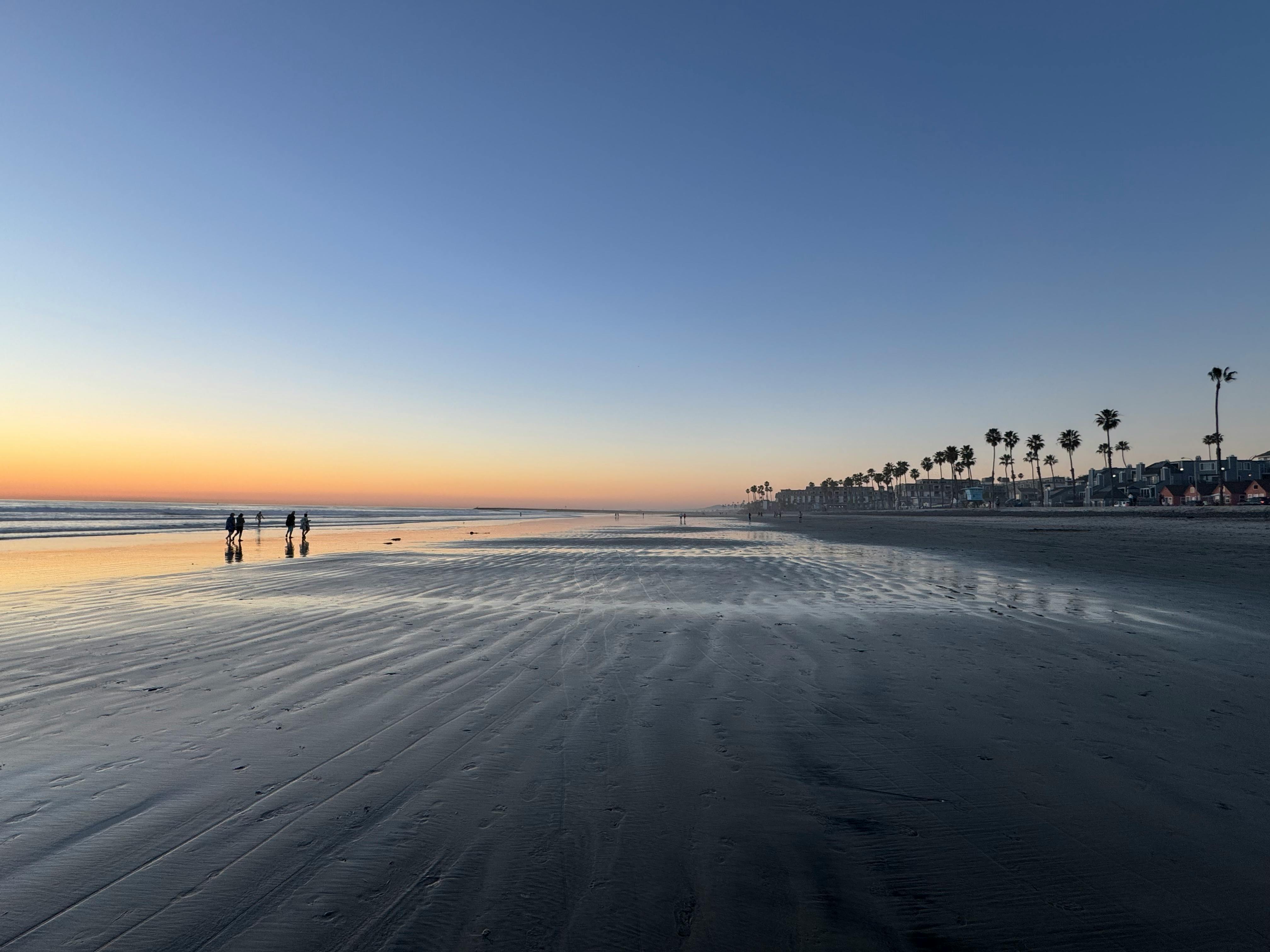
Burbank hit 98 degrees Thursday, shattering a record that had stood for nearly three decades and capping two days of historic heat that made this week one of the most punishing Marches the region has ever seen.
The previous record for Burbank on Thursday’s date was 89 degrees, set in 1997. The city had already broken that same record Wednesday, when thermometers reached 97 degrees, topping the 89-degree mark set in 1978. Back-to-back record-breaking days in March, in a city where residents are still weeks away from putting away their light jackets.
The Extreme Heat Warning that blanketed Southern California since Monday remained in effect through Friday evening, set to expire at 8 p.m. Forecasters expected Burbank-area temperatures to stay elevated through the day Friday before a gradual shift begins this weekend, when the high-pressure system driving the heat is expected to push somewhat east.
The numbers across the region told the same story. Woodland Hills hit 102 degrees Thursday, its hottest March day on record, following a 100-degree reading Wednesday that had already broken the previous record of 96 degrees set in 1997. Van Nuys reached 99 degrees Thursday, also an all-time March record for that station. Riverside topped out at 101. Santa Ana hit 94, obliterating a 1997 record of 81 degrees by 13 degrees.
Even higher-elevation areas got cooked. Idyllwild, which sits above 5,000 feet in the San Jacinto Mountains, hit 90 degrees Thursday, breaking the 87-degree record it had just set the day before. Big Bear reached 79 degrees, smashing a 70-degree record from 1997.
Wednesday’s records were just as striking. Downtown Los Angeles reached 95 degrees, breaking a 1997 record by eight degrees. Long Beach hit 91. Anaheim and Santa Ana each reached 95. At LAX, 82 degrees broke a 1978 record. The UCLA station hit 87, topping a mark set in 1978.
For Burbank residents, the heat has been hard to escape. The city’s concrete-heavy corridors near the Media District and along San Fernando Boulevard absorb and radiate heat with little relief. Parks like Verdugo Mountain and Johnny Carson Park offered some shade, but afternoon temperatures made extended outdoor activity a health risk.
City and county officials urged residents to take the warnings seriously. Prolonged exposure to temperatures this high carries real danger, particularly for older adults, young children, and anyone without reliable air conditioning.
Friday’s forecast offered little comfort before the weekend cool-down. Van Nuys was expected to reach 97 degrees. Riverside and San Bernardino were both projected at 100. Los Angeles and Anaheim were forecast at 93. The heat warning’s expiration at 8 p.m. Friday signaled the beginning of the end of the event, but temperatures in the Burbank area were still expected to run well above seasonal norms through the evening hours.
The pattern driving this event, a strong high-pressure ridge over the region, will weaken and shift east this weekend. That shift should bring more typical spring temperatures back to the San Fernando Valley by early next week, though forecasters stopped short of calling for any significant cooling before then.
What this week’s numbers represent, beyond the records themselves, is a reminder of how quickly Southern California’s climate can swing to extremes, even in March. The records broken this week in Burbank and across the region weren’t close calls. Many shattered previous marks by wide margins, and some had stood for 30, 40, even 60 years.
Residents should check on neighbors, particularly seniors living alone, and keep an eye on the forecast through the weekend. The worst of this event appears to be winding down. But Friday still has hours to add to the tally.