Civil Trial Begins in Valentina Orellana Peralta Shooting
A civil trial is underway over the 2021 death of 14-year-old Valentina Orellana Peralta, killed by a ricocheting LAPD bullet in a North Hollywood Burlington store.
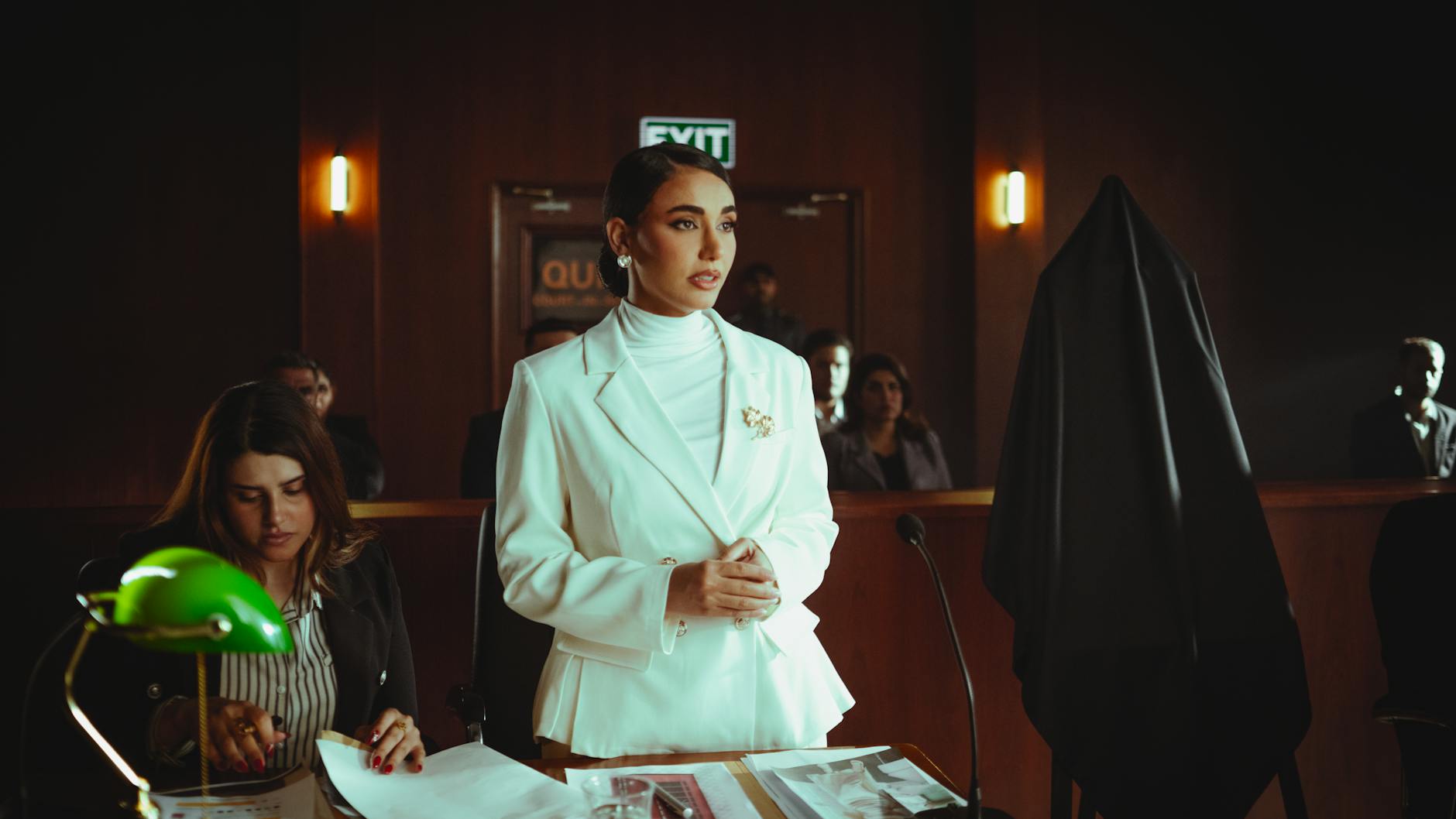
Jury selection began this week in the civil trial over the 2021 shooting death of Valentina Orellana Peralta, the 14-year-old girl killed by a ricocheting police bullet while she tried on clothes inside a North Hollywood Burlington store. The trial is being heard at the Burbank Courthouse.
Valentina was in a dressing room on December 23, 2021, shopping for Christmas clothes with her mother, when LAPD Officer William Jones opened fire on an assault suspect on the store’s second floor. One of Jones’s bullets struck the floor, ricocheted, and tore through the dressing room wall. It hit Valentina, who died at the scene. The assault suspect, who had been beating a woman with a cable bike lock, was also shot and killed by officers.
The case has moved through multiple official proceedings over the past several years without resulting in criminal charges against Jones. The Los Angeles Police Commission found Jones’s shooting unjustified. California Attorney General Rob Bonta announced in April 2024 that his office would not pursue criminal charges, describing the incident as a case of being at “the wrong place at the wrong time.”
Valentina’s parents, Soledad Peralta and Juan Pablo Orellana Larenas, called Bonta’s decision crushing. Their family spokesperson, Sennett Devermont, said the outcome sidestepped the accountability they believed the situation demanded. “This avoids all oversight, all accountability that needs to be had,” Devermont said at the time.
With no criminal prosecution forthcoming, the family filed a civil lawsuit against the LAPD. That suit is now before a jury in Burbank.
The civil trial carries weight beyond the Orellana Peralta family. Los Angeles is currently staring down a budget shortfall of more than $208 million, a gap driven in part by legal settlements. High-profile civil suits against the LAPD are a recurring line item in that deficit, and this case arrives at a moment when city leadership is under pressure to address both the financial exposure and the policing practices that generate it.
Body-camera footage from the day of the shooting shows the severity of what unfolded inside the store before Jones fired. The suspect had already attacked a woman on the second floor, beating her repeatedly with a bike lock. Officers faced a violent, active situation. Jones’s decision to fire, and the trajectory of the bullet that followed, are at the center of what the jury will now weigh.
The proceedings are expected to continue for several days. For Valentina’s family, the courtroom in Burbank represents the last formal arena where they can seek accountability for her death. She was 14, buying clothes for Christmas, and she never left that dressing room.
The broader question the trial raises, though no verdict answers it completely, is how a police department and a city decide what they owe to someone who died the way Valentina did. She was not a bystander in the loose sense. She was as far from the threat as a person inside that building could be, separated from it by walls, doing something as ordinary as shopping. The civil case asks whether ordinary should have been enough to protect her.
Whatever the jury decides, the financial and institutional pressure on the LAPD is not going away. Los Angeles has paid out hundreds of millions of dollars in settlements tied to use-of-force cases over the past decade. Each settlement closes a case. None of them close the underlying conversation about when officers fire in crowded spaces and who bears the consequences.
The Burbank Courthouse will carry that conversation forward in the days ahead.