FAA Investigates United Airlines Near-Miss With Military Helicopter
A United Airlines flight and an Army National Guard Black Hawk helicopter had a close call near John Wayne Airport in Santa Ana, prompting an FAA investigation.
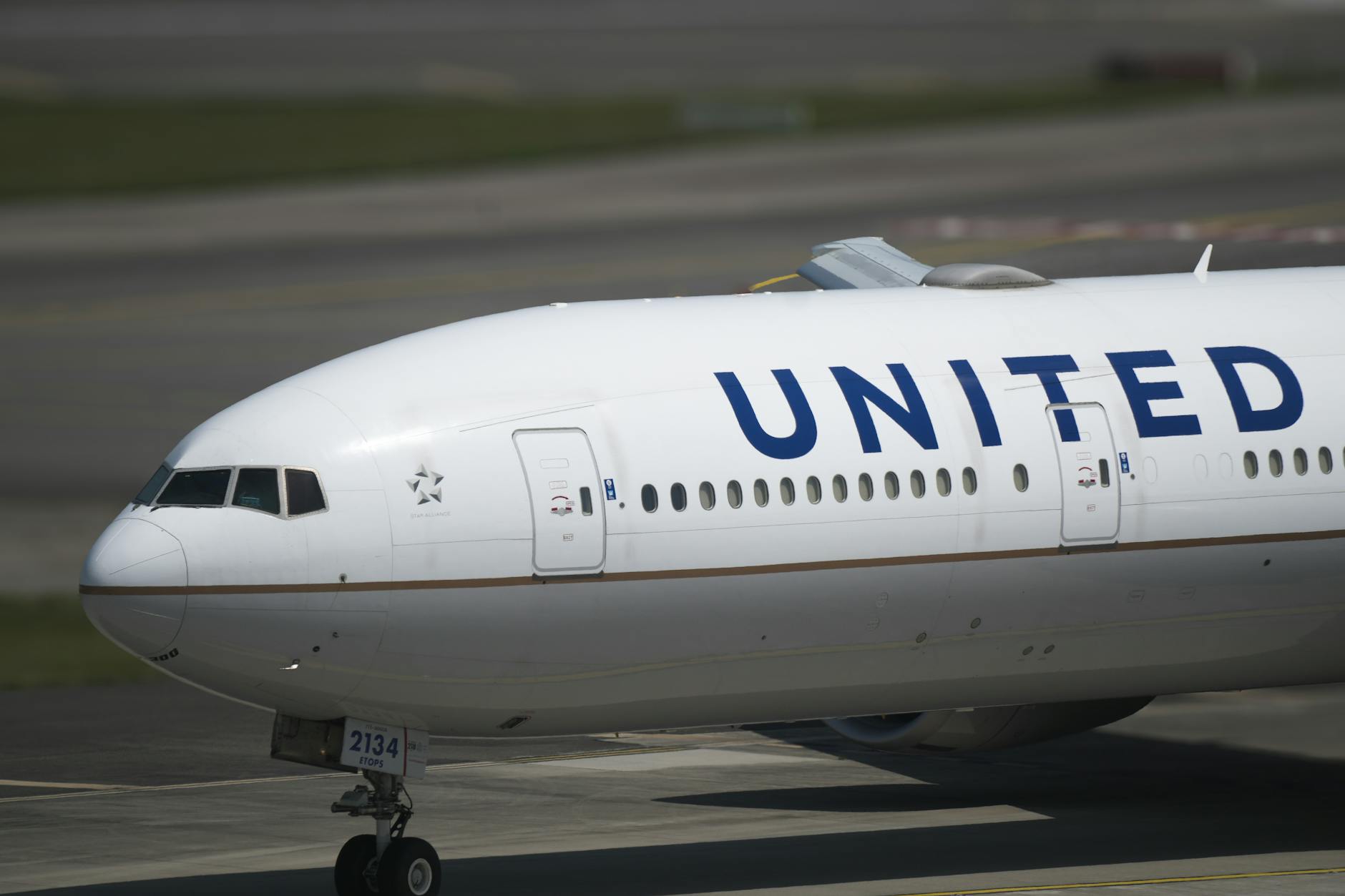
Federal authorities are investigating a near-miss Tuesday night between a United Airlines passenger jet and an Army National Guard helicopter near John Wayne Airport in Santa Ana, the latest in a series of close calls raising alarms about helicopter traffic around Southern California airports.
United Airlines Flight 589 was on approach to the Orange County airport at approximately 8:40 p.m. when a Sikorsky Black Hawk helicopter crossed its flight path, according to the FAA. Air traffic controllers warned the pilots, who spotted the helicopter and also received an onboard traffic alert. The crew responded by leveling the aircraft to increase separation.
All 168 people aboard the United flight, including 162 passengers and six crew members, landed safely. The helicopter did too.
The California National Guard confirmed the Black Hawk was based at Joint Forces Training Base Los Alamitos, about 15 miles west of Santa Ana, and was returning from a routine training mission. The helicopter was flying an established Visual Flight Rules route at an assigned altitude while in contact with air traffic control, the Guard said in a statement.
“A thorough review will be conducted in coordination with the appropriate agencies,” the California National Guard said, directing further questions to the FAA.
The incident carries particular weight given its timing. It happened less than a week after the FAA issued a new airport safety order requiring air traffic controllers to use radar to manage lateral and vertical separation between aircraft, rather than relying on visual separation between planes and helicopters. The order applies at airports where helicopter routes cross arrival and departure paths.
That rule change was directly tied to a close call earlier this month at Hollywood Burbank Airport, where a twin-engine Beechcraft 99 and a helicopter came dangerously close. Federal authorities cited that Burbank incident as a key factor in pushing the new safety measure forward.
The FAA’s accelerated rulemaking reflects growing pressure on the agency after a deadly midair collision in Washington, D.C. earlier this year. That crash, involving a passenger jet and a military helicopter, killed everyone aboard both aircraft and forced a national reckoning over how military and civilian air traffic interact around busy airports.
The Santa Ana incident fits a pattern regulators are now scrambling to address. Military helicopter training routes, many established decades ago, were built around a different volume of commercial air traffic. As Southern California’s airports have grown busier and flight paths have become more compressed, the margin for error has shrunk.
Joint Forces Training Base Los Alamitos sits in a complicated stretch of Southern California airspace, not far from John Wayne, Long Beach Airport, and within range of LAX’s extended approach corridors. Military pilots flying VFR training routes operate under rules that require them to see and avoid other aircraft, but that system breaks down fast when visibility is limited or traffic is dense.
For Burbank readers, the connection is direct. The FAA explicitly named Hollywood Burbank Airport as one of the sites that triggered the new radar-separation rule. Burbank sits beneath busy approach paths and alongside helicopter corridors used by news, law enforcement, and military operators. The same conditions that made the Burbank near-miss significant enough to reshape national policy are present here every day.
The FAA has not released radar data or controller recordings from Tuesday’s Santa Ana incident, and the full investigation is ongoing. United Airlines has not said whether it plans additional review of the event beyond what the FAA requires.
What is clear is that the agency is moving faster than usual on helicopter-aircraft separation rules, a process that typically takes years and now appears to be happening in weeks. Whether that pace is fast enough, given how quickly these events are accumulating, is a question regulators will face with each new report.
The FAA said it is investigating the incident and declined to offer a timeline for completing its review.