Writers Guild Approves Bargaining Agenda Targeting Health Care Crisis and AI Protections
The Writers Guild of America has overwhelmingly approved its bargaining agenda ahead of contract negotiations with studios set to begin March 16, with 97.4% of members voting in favor of demands focused on health care, compensation, and artificial intelligence protections.
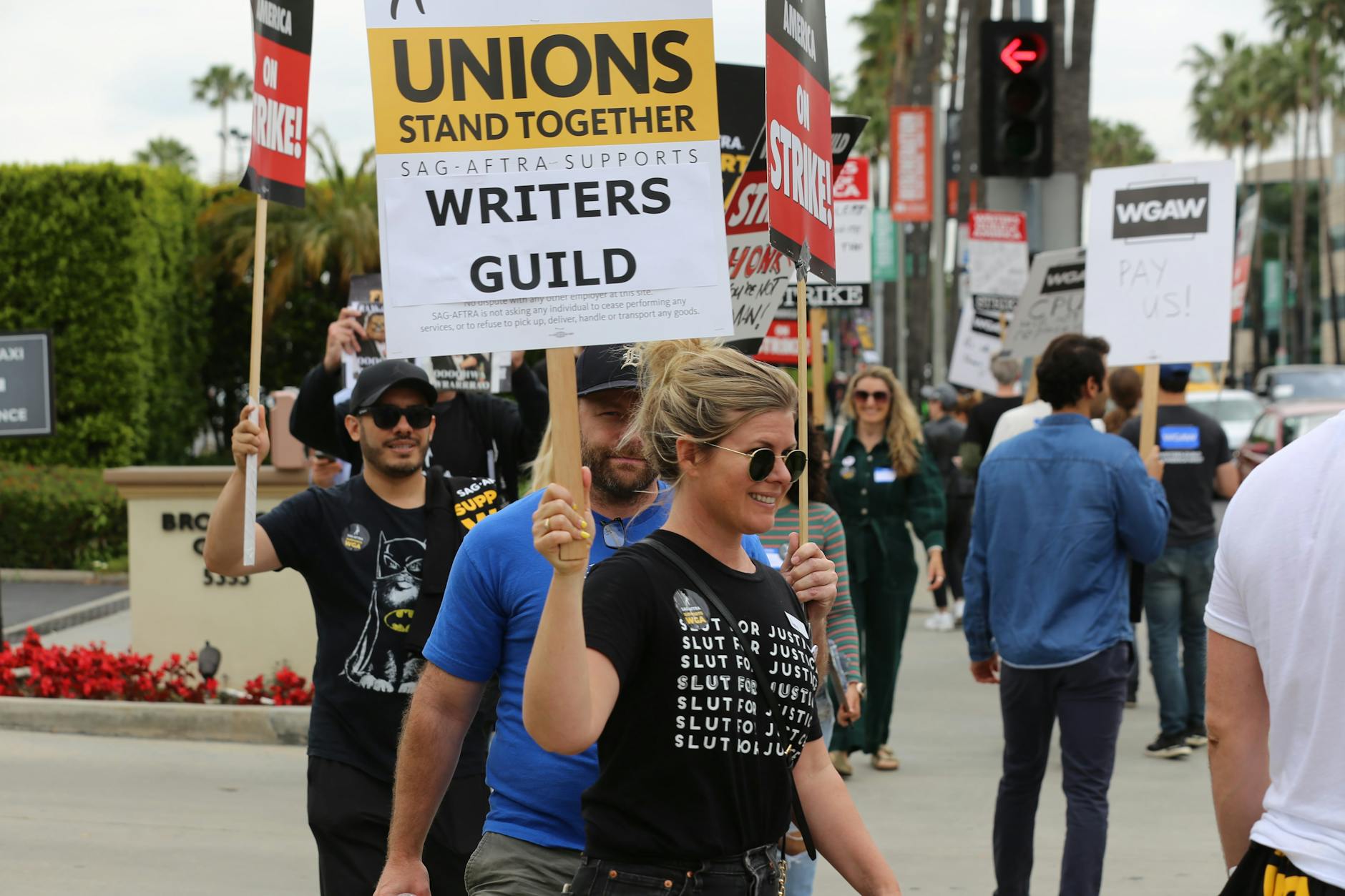
The Writers Guild of America has overwhelmingly approved its bargaining agenda ahead of contract negotiations with studios set to begin March 16, with 97.4% of members voting in favor of demands focused on health care, compensation, and artificial intelligence protections.
The union’s “pattern of demands” comes as the WGA faces a severe financial crisis in its health fund, according to union communications to members. The fund has suffered eight-figure losses for the past four years, totaling $205 million, and will run out of money within three years without significant changes, the union stated.
The approved agenda calls for employers to contribute more to pension and health funds and increase the compensation caps used to assess those contributions. The union has warned members of the need for “plan design changes that will save money while preserving access to high-quality providers,” according to the memo sent to members last week.
The health fund crisis stems from industry contraction and skyrocketing health costs, according to the WGA. The Alliance of Motion Picture and Television Producers, which represents studios in negotiations, published a report in December arguing that Hollywood workers receive very generous benefits compared to typical employer-based plans.
Beyond health care, the bargaining agenda targets two major issues from the 2023 strike that shut down Hollywood for months: artificial intelligence protections and streaming residuals. The union will seek to build on gains made in those areas during the previous contract negotiations.
The approved demands also address minimum compensation rate increases, a standard element of guild negotiations. Writers will push for improved compensation for those participating in post-production work and seek to address “free work” concerns that have spread from feature films into television production.
Notably absent from the pattern of demands is minimum staffing for television shows, despite this being a central issue in the 2023 strike. The previous contract eliminated “mini-rooms” where small groups of writers worked on multiple scripts at reduced rates during development. The 2023 agreement also established staffing minimums ranging from three to six writers for greenlit shows, depending on season length.
The current pattern of demands represents only a broad outline of negotiating topics, according to the union. Detailed proposals will be presented to the AMPTP when bargaining begins but will remain confidential during negotiations.
The upcoming negotiations arrive as the entertainment industry continues recovering from the dual strikes of 2023, when both writers and actors walked off the job for months. The writers’ strike lasted from May to September 2023, while the actors’ strike ran from July to November.
The March 16 start date gives both sides several weeks to prepare detailed positions on the approved topics. The WGA’s strong member approval of the bargaining agenda signals unified support for the union’s priorities heading into what could prove to be challenging negotiations.
The financial pressure on the health fund adds urgency to the talks, as writers face the prospect of reduced benefits or higher out-of-pocket costs if the fund’s trajectory continues unchanged. The union’s ability to secure increased employer contributions while maintaining comprehensive coverage will likely be a key measure of success in the upcoming negotiations.