Da Barbara's Pasta Pomodoro May Be the Best in Los Angeles
Da Barbara in Hollywood serves what many call the best pasta pomodoro in Los Angeles, crafted by Roman-born chef Barbara Pollastrini.
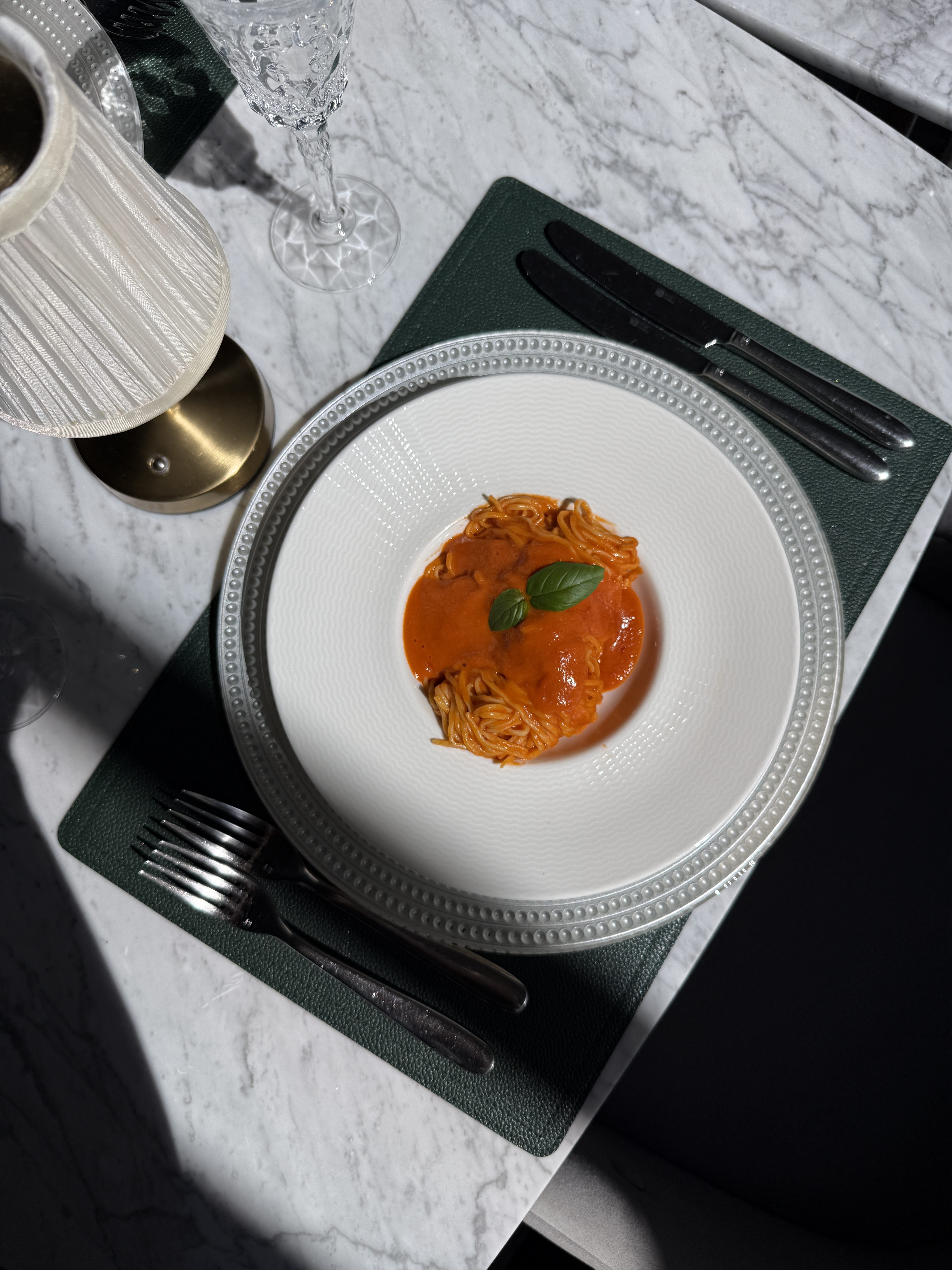
Pasta pomodoro at da Barbara in Hollywood might be the best bowl of pasta in Los Angeles, and Barbara Pollastrini wants you to earn it.
Da Barbara sits in Hollywood with the quiet confidence of a place that doesn’t need a sign. It feels like a family secret, the kind of restaurant that regulars mention in hushed tones and then immediately regret telling you about. The pasta pomodoro here, according to Eater LA’s coverage of the restaurant, is the best in Los Angeles. Having thought about little else since reading that claim, I’m not inclined to argue.
Pollastrini is both chef and owner. She trained at Le Cordon Bleu, moved from Rome to Los Angeles in 2005, and arrived with two ambitions: open a restaurant and work as a food stylist for film and television. She did both. She worked on films including He’s Just Not That Into You and The Girl With the Dragon Tattoo before the restaurant dream took hold. The food styling job, she has noted with some dry amusement, wasn’t even a recognized profession back home. Italy, apparently, did not need someone to make its food look better on screen.
The pasta itself is tagliolini, handmade by Pollastrini, and it drapes around the fork with that ideal combination of delicacy and heft. But the sauce is the story.
It’s vermilion. Velvet-textured. Seasonal in a way that goes far beyond the word as restaurants usually mean it.
“I might use four, five, six different types of tomatoes, depending on the time of year,” Pollastrini told the outlet on a Wednesday afternoon at the Larchmont Farmers’ Market, where she shops regularly alongside her standing Sunday visits to the Hollywood Farmers’ Market. The tomatoes she picks up don’t go straight into the pot. They sit on her counter for a week, ripening to her standard, before she’ll consider cooking with them.
This counter method wasn’t something she brought from Rome. It grew out of frustration. In Italy, she used one concentrated variety, and the sauce wrote itself. American tomatoes posed a different problem. The big ones that shoppers reach for first are full of water, she found, and water is the enemy of depth. Trial and error across many farmers market mornings led her to a set of rules: greens, yellows, and oranges never go into her sauce. Only red tomatoes make the cut, and only when they’re ready on her terms, not the calendar’s.
The result is a sauce whose recipe changes with the seasons but whose outcome stays consistent, which is a much harder trick than it sounds. Anyone who has made pasta pomodoro at home knows how quickly it can go sideways. Cherry tomatoes that work beautifully in a salad can turn mealy under heat. San Marzanos from the can, even the pricier imported ones, can lose everything interesting about them when you add too much garlic. The variables multiply fast.
Pollastrini has eliminated most of them through repetition and patience and a specific, almost stubborn relationship with her suppliers. She knows which vendors at which markets grow the tomatoes she wants. She knows how long each variety needs to sit. She knows, standing in front of a carton at the Larchmont market, whether what she’s looking at is good for sauce or good for salads. For a carton of ruby and jade cherry tomatoes she reportedly delivered a swift verdict: good for salads, not for sauce.
That kind of precision doesn’t happen quickly. She’s been refining this approach since 2005, which means she’s been making this sauce for more than two decades, adjusting it each season, discarding what doesn’t work, keeping what does. The California Department of Food and Agriculture’s certified farmers market program lists dozens of markets across Los Angeles County, and Pollastrini appears to treat them as both pantry and quality filter, a weekly audit of what’s worth cooking with.
For anyone who spends real time thinking about Italian food in the Valley and beyond, da Barbara represents the kind of specificity that’s genuinely hard to find. This isn’t a restaurant chasing trends or building an Instagram menu. It’s a chef who moved to a new country, encountered ingredients that didn’t behave the way she expected, and spent years solving the problem one tomato at a time. The Hollywood Farmers’ Market runs every Sunday from 8 a.m. to 1 p.m., and if you happen to see a woman evaluating tomatoes with unusual seriousness, there’s a reasonable chance you’ve found your source.