Burbank Unified Faces Legal Demand Over Brown Act Violations
Burbank Unified has until May 2 to respond to a 40-page legal demand alleging Brown Act violations and $100,000 in unauthorized benefits to a former superintendent.
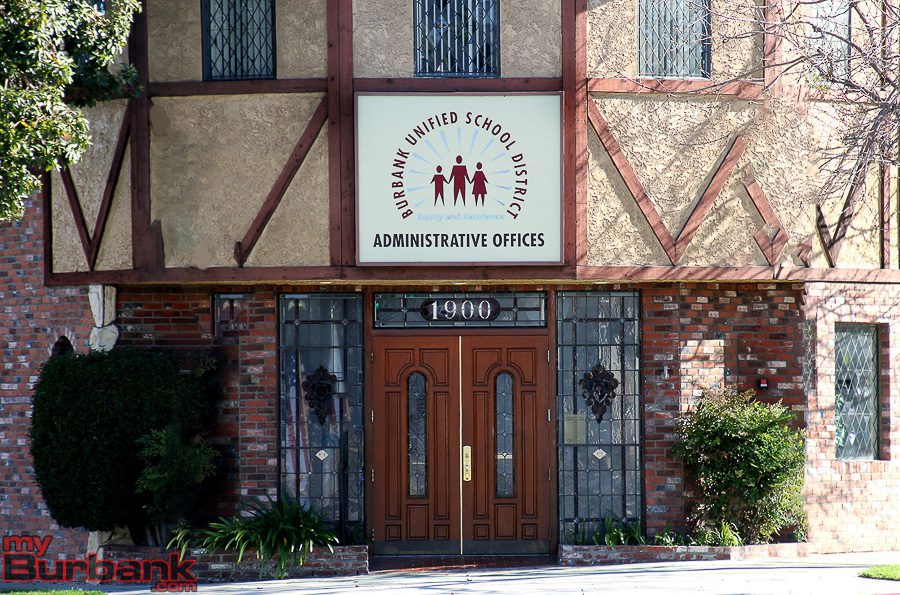
Burbank Unified School District has until May 2 to respond to a 40-page legal demand alleging Brown Act violations and more than $100,000 in unauthorized benefits paid to a former superintendent.
The demand letter, filed April 2 by Jeff Vander Borght, a former Burbank mayor who speaks for a group of local residents and retirees, accuses the district of paying at least $9,338.08 in medical benefits to former Superintendent John Paramo without a public vote authorizing the change in his employment status from resignation to retirement. If BUSD doesn’t respond by the deadline, the group can take the district to court under state law.
Vander Borght said the investigation didn’t start with Paramo. It started with a board member.
On June 5, 2025, Paramo resigned after serving as superintendent for nearly two years. By that point, BUSD was already deep in a separate scandal involving board member Charlene Tabet, who faced allegations of funneling $93,000 to a business she ran under her daughter’s name. That conflict-of-interest investigation eventually pushed Tabet off the board entirely. Vander Borght and his group watched the Tabet situation develop and decided the district’s finances needed a closer look.
“There were clearly questions that should have been asked and red flags that should have been waved,” Vander Borght told reporters. “All of this has continued to unfold like an onion.”
The group started filing Public Records Act requests. What they found went beyond the Tabet matter. According to the legal demand covered by MyBurbank, the review turned up problems inside the district’s own accounting systems.
“We found out that there was also a problem with their financial or accounting system of the district,” Vander Borght said. “Most specifically, there were a number of overpayments, an unusual way that they did accounting and invoicing, to the point that they were double-paying for some invoices.”
Double-paying invoices. That detail matters.
For a district already under scrutiny, the accounting irregularities added another layer to what the group describes as a broader pattern of inadequate oversight. The California Brown Act requires local government bodies, including school boards, to conduct official business in public. The residents’ group argues the board’s decision to extend medical benefits to Paramo, without a public vote, violated that requirement directly.
The situation got worse in January of this year. The Los Angeles County Office of Education formally designated BUSD as a district of “Lack of Going Concern,” citing worries about “fiscal leadership stability” and ongoing investigations into fiscal operations. That designation isn’t routine. Under the California Department of Education’s oversight framework, it signals serious concern about whether a district can meet its financial obligations.
As a result of the January designation, LACOE assigned a county-funded fiscal monitor to attend BUSD board meetings and watch the district’s financial decisions in real time. That kind of direct county oversight is reserved for districts that have raised significant red flags. BUSD responded to the designation with assurances to the community, though the monitor remains in place.
Vander Borght’s group isn’t made up of professional attorneys or advocacy organizations. It’s residents and retirees who started pulling on threads after watching a board member allegedly steer $93,000 toward a family business. What began as one investigation has expanded into a wide-ranging review of how the district spends public money and whether it follows its own legal obligations when doing so.
The 40-page demand letter puts the district on a formal legal timeline. BUSD has until May 2 to respond. If the board acknowledges the Brown Act violations within that window, it can potentially avoid litigation by committing to corrective action. It’s a path that other California school boards have taken under similar pressure. If the district doesn’t respond, or if the response doesn’t satisfy the group’s demands, a lawsuit follows.
Burbank residents who want to track how BUSD handles the May 2 deadline can monitor board agendas and meeting records through the district’s public portal. The Burbank Digest will report on any response the district files before or on that date, including whether the board schedules any public discussion of the Paramo benefits or the accounting issues the residents’ group flagged in its Public Records Act review.