Netflix in Talks to Buy Radford Studio Center at Deep Discount
Netflix is negotiating to acquire Radford Studio Center in Studio City at a steep discount, reflecting weakened real estate and studio spending markets.
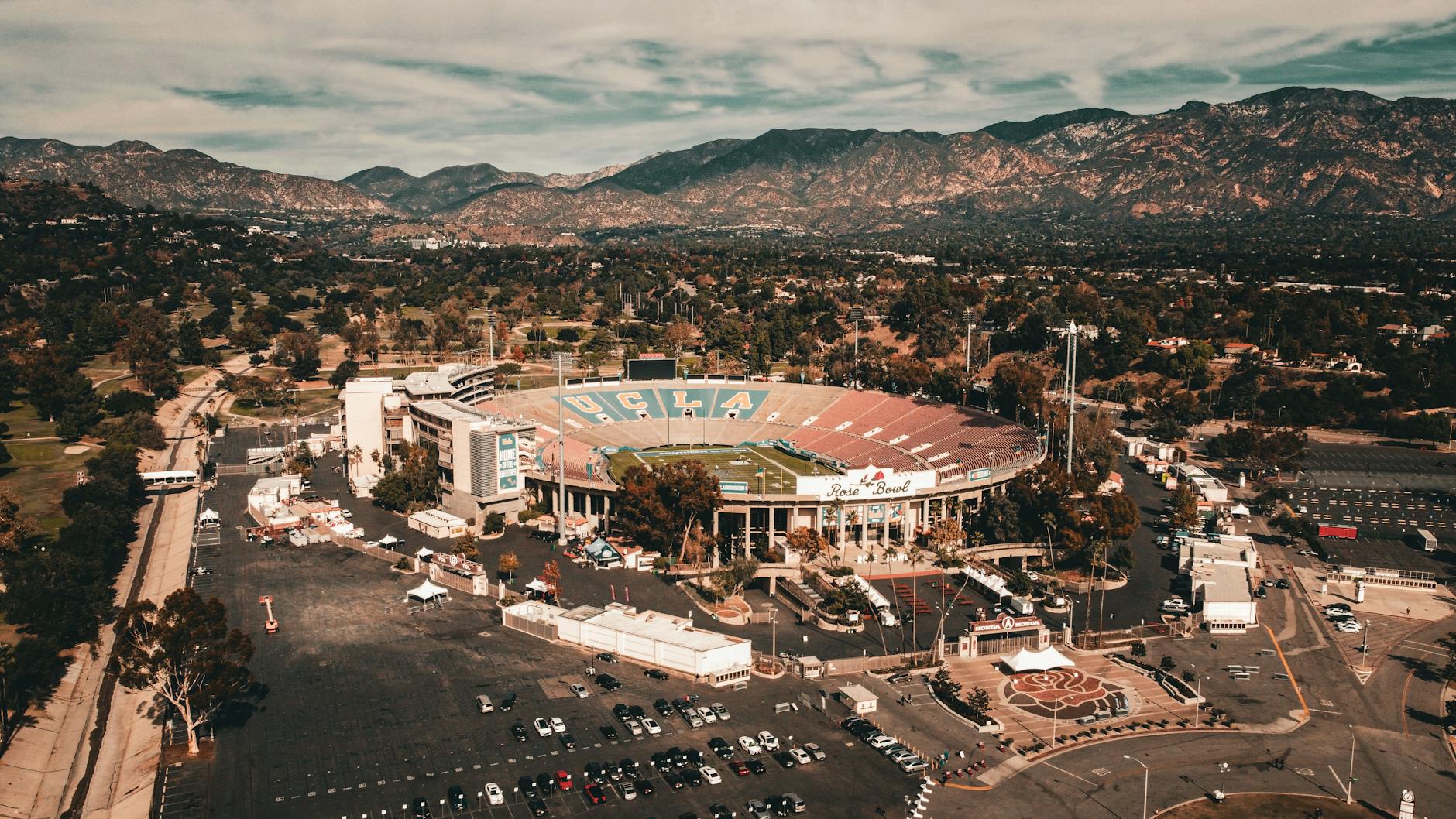
Netflix is negotiating to acquire Radford Studio Center in Studio City, according to reporting on the negotiations from the Los Angeles Daily News. The price is reportedly well below what the property fetched before the pandemic. That discount tells you a lot about what’s happened to studio real estate since 2023.
Radford Studio Center has sat on the Studio City side of the hill for decades, just a short drive from Burbank’s own dense cluster of production facilities. The lot goes back to early Hollywood. It’s hosted hundreds of film and television productions and remains one of the anchor properties in the San Fernando Valley’s production corridor. Nobody who works in the trades out here needs a history lesson on what Radford means to the Valley’s economy.
The purchase price hasn’t been confirmed publicly. What the reporting does make clear is that the figure reflects a market that’s been under sustained pressure since 2023, when a combination of industry strikes, streaming pullbacks, and tightening studio budgets forced a reckoning across the sector. Lots that once carried premium valuations have sat underused. If Netflix closes this deal, it would be locking in a major physical footprint at exactly the moment when the market favors buyers.
“The studio lot market in Los Angeles is going through a fundamental reset, and buyers who move now stand to benefit significantly,” according to analysts tracking the transaction.
That reset has real consequences for communities like Burbank and Studio City. Radford’s crew members, stage operators, technicians, and support staff depend on the lot staying active. The California Film Commission has pushed hard to retain production in state through its tax incentive programs, and the Los Angeles County Economic Development Corporation has flagged the trades as among the most vulnerable segments of the local workforce when productions relocate or pause. A Netflix acquisition wouldn’t just be a real estate transaction. It’d be a signal that one of the world’s biggest content producers is committed to keeping work on the ground in the Valley rather than shifting shoots elsewhere.
Buying Radford gives Netflix something that renting can’t. Owned stages don’t get double-booked. A company that controls its own back lot sets its own production calendar without fighting for availability at third-party facilities. Netflix already leases space across the region and has been steadily building out its physical infrastructure in California and beyond. Owning Radford would mean permanence, and that’s what the company’s production volume actually demands.
Critics spent years arguing that streaming companies were constitutionally unwilling to invest in the kind of brick-and-mortar footprint that traditional Hollywood studios spent generations assembling. Netflix’s move toward acquiring Radford is a direct answer to that argument. The company spent heavily on its Egyptian Theatre restoration in Hollywood and has made other physical investments that don’t fit the profile of a company content to rent forever. Buying Radford continues that pattern in a more operationally significant way.
If Netflix closes the deal, it won’t just own a studio lot. It’ll own one of 5 or so remaining large-scale production facilities in the San Fernando Valley that can handle major productions end to end, from pre-production through post. That’s not a redundant asset. It’s a competitive one.
For Burbank residents, the proximity matters. Radford is close enough that its production calendar affects crew employment throughout the Valley, including the neighborhoods and vendors that have serviced Hollywood productions for generations. Whether Netflix completes this acquisition or not, the fact that a company of its scale is looking at Radford as a target confirms what the local industry has argued for a while now: the Valley’s physical infrastructure still has strategic value, even in a market that’s been grinding through a difficult reset.
The California Film Commission hasn’t commented on the specific negotiations. The deal remains unconfirmed.