Proposed 12-Story Mixed-Use Tower Near Burbank Airport Sparks Heated Community Opposition
Developer Meridian Properties wants to build a 300-unit residential complex with ground-floor retail on Empire Avenue, but nearby residents cite traffic, noise, and height concerns in their fight against the project.
Proposed 12-Story Mixed-Use Tower Near Burbank Airport Sparks Heated Community Opposition
A controversial mixed-use development proposal that would bring a 12-story residential tower to Empire Avenue near Hollywood Burbank Airport is drawing fierce opposition from neighborhood groups who say the project is too large for the area and would worsen already problematic traffic conditions.
Meridian Properties, a Los Angeles-based developer, submitted plans to the city last month for a 300-unit apartment complex with 15,000 square feet of ground-floor retail space on a 2.8-acre lot at 2847 Empire Avenue, currently home to a cluster of aging industrial buildings.
The project, dubbed “Empire Gateway,” would rise 140 feet and include a mix of studio, one-, two-, and three-bedroom units, with 20% designated as affordable housing units. Developer Michael Chen says the project addresses Burbank’s critical housing shortage while providing much-needed retail space in an underserved area.
“This is exactly the type of transit-oriented development that Burbank needs,” Chen told the Burbank Digest. “We’re within walking distance of the airport, the Metrolink station, and we’re adding housing density in an area that’s currently underutilized industrial space.”
But residents of the nearby Empire Center neighborhood aren’t buying it. They’ve organized under the banner “Keep Empire Livable” and have already submitted a petition with over 400 signatures opposing the project.
“A 12-story tower? In this neighborhood? It’s completely out of character,” said Maria Rodriguez, a 15-year Empire Center resident who lives three blocks from the proposed site. “We moved here because it was quiet, residential, and had that small-town feel. This would turn us into another North Hollywood.”
Traffic Concerns Top the List
The biggest concern for opponents is traffic. Empire Avenue already serves as a cut-through route for drivers avoiding congestion on Hollywood Way, and residents say the street can’t handle 300 additional units.
“Have they driven on Empire during rush hour?” asked neighborhood watch captain Robert Kim. “It’s already a parking lot. Now they want to add potentially 600 more cars? The infrastructure just isn’t there.”
The project’s traffic impact report, prepared by Gibson Transportation Consulting, estimates the development would generate approximately 1,850 additional vehicle trips per day. The study concludes that while some intersections would see increased congestion, the impact would not require significant infrastructure improvements.
City Traffic Engineer Sarah Walsh says the report meets city standards, but acknowledges residents’ concerns. “We take traffic impacts very seriously, and we’ll be requiring the developer to fund signal timing improvements at two nearby intersections,” Walsh said.
Height and Density Battles
The proposed tower would be the tallest residential building in this part of Burbank, standing nearly twice as high as the next-tallest structure in the area. Current zoning allows for buildings up to 45 feet, but Meridian is requesting a zone change and general plan amendment to accommodate the project.
“The height is just inappropriate for our neighborhood,” said longtime resident Janet Morrison, whose single-story ranch home sits two blocks south of the site. “We have a neighborhood of mostly one and two-story homes, and suddenly there’s going to be this massive tower looming over everyone.”
City Planning Director Kevin Watson notes that the site sits in an area specifically identified in Burbank’s 2035 General Plan for potential higher-density development due to its proximity to transportation hubs.
“This location makes sense for increased density,” Watson explained. “It’s near jobs, transit, and services. That’s exactly where the state is encouraging cities to focus new housing.”
Airport Noise Factor
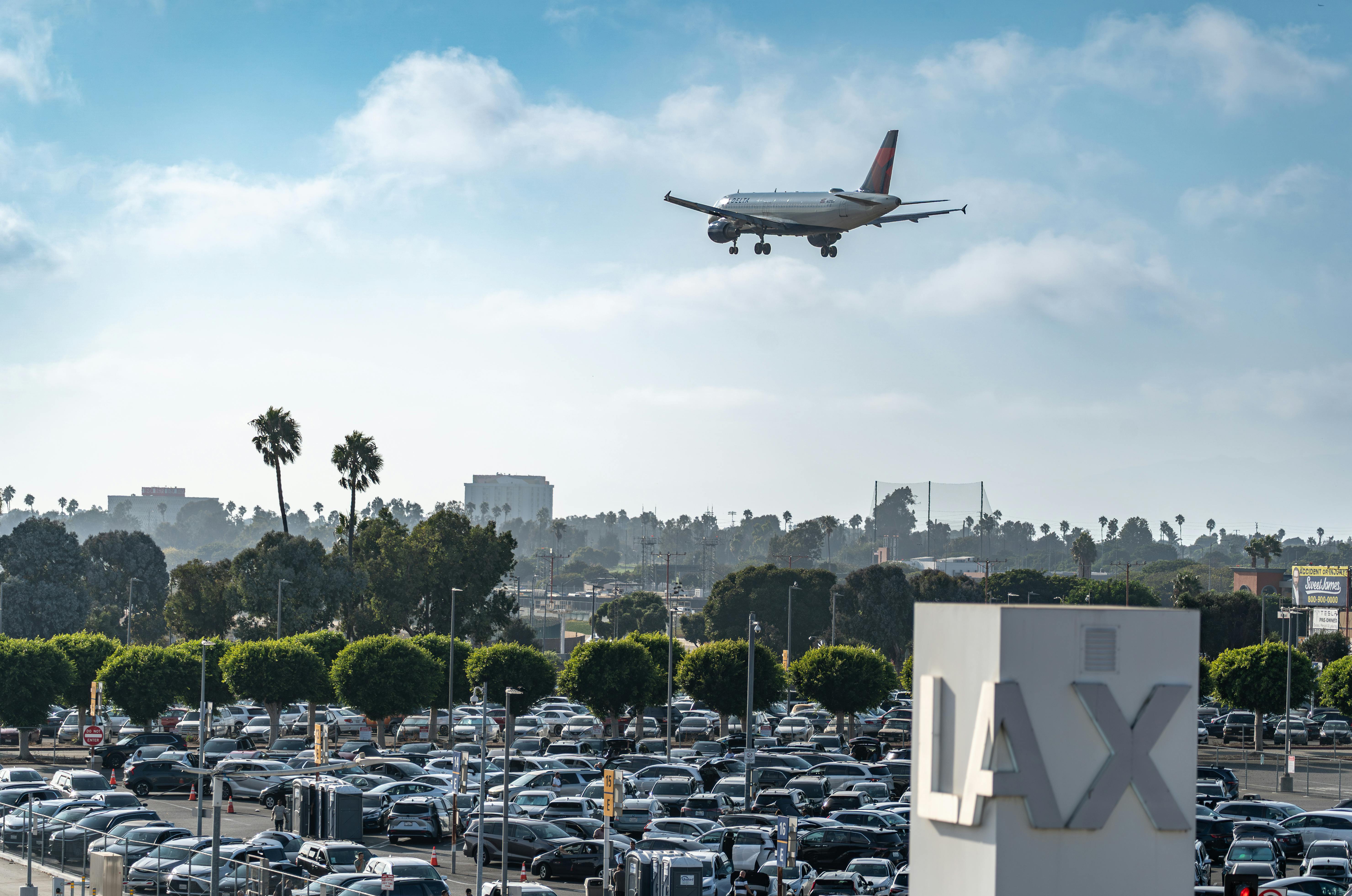
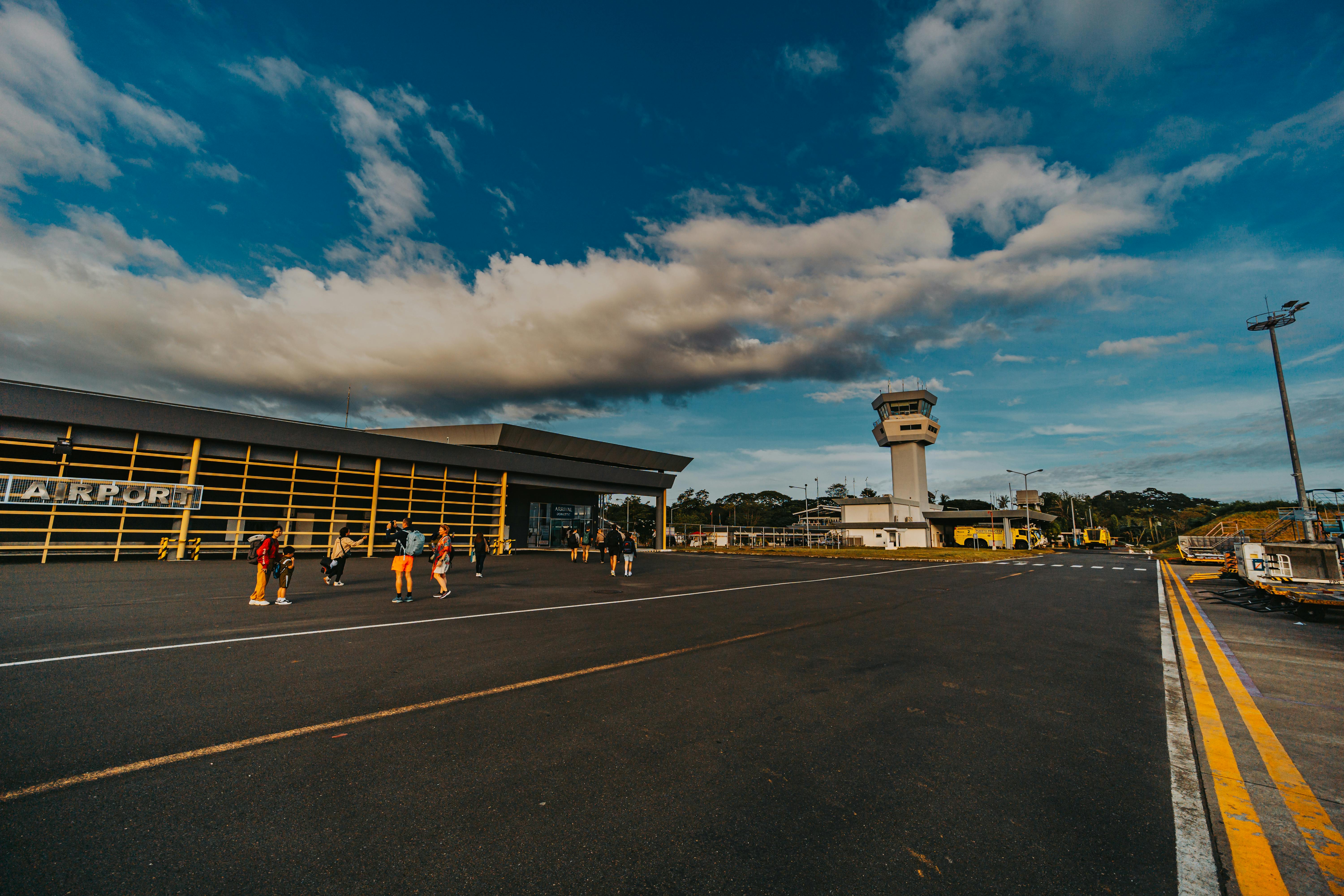
The proximity to Hollywood Burbank Airport adds another layer of complexity to the debate. The Federal Aviation Administration requires disclosure of aircraft noise impacts for residential developments in the area, and some residents question whether it’s appropriate to house families so close to active flight paths.
“You can barely have a conversation in your backyard when planes are taking off,” said Empire Center resident Tom Bradley. “Why would anyone want to live in a high-rise right there? It doesn’t make sense.”
Meridian’s Chen says the building will incorporate enhanced sound insulation and that market research shows demand for housing near the airport, particularly from entertainment industry workers who travel frequently.
Affordable Housing Component
One aspect of the project that has drawn qualified support is its affordable housing component. Under Burbank’s inclusionary housing ordinance, Meridian would provide 60 units at below-market rates for moderate and low-income families.
“We desperately need more affordable housing in Burbank,” said Housing Commission Chair Lisa Park. “While I understand neighbors’ concerns about scale, we can’t let perfect be the enemy of good when it comes to addressing our housing crisis.”
The city’s latest housing needs assessment found Burbank must plan for nearly 9,000 new housing units over the next eight years to meet state requirements.
What’s Next
The project will go before the Planning Board for initial review on March 15, followed by a community meeting on March 22 at Burroughs High School’s auditorium. If approved by the Planning Board, it would then go to the City Council for final approval.
Keep Empire Livable is organizing residents to attend both meetings and is considering hiring a lawyer to challenge the project if it moves forward.
“We’re not anti-development,” Rodriguez emphasized. “But this project is too big, too tall, and in the wrong place. There has to be a better way to add housing without destroying neighborhood character.”
Chen says his team is open to community input but notes that significant changes could jeopardize the project’s financial viability.
“We’ve spent two years and hundreds of thousands of dollars getting to this point,” he said. “We’re willing to listen, but we need a project that actually pencils out.”
The debate reflects broader tensions across Los Angeles County as cities grapple with state mandates to increase housing production while managing community concerns about growth and change.